In a recent appearance on , Doom designer John Romero talked about the ways id Software casually revolutionized PC gaming in the early '90s, all on a blistering release schedule where "taking their time" meant cranking out an all-time classic faster than most hero shooters are able to add a new character.
"We had a technology that no one had yet on the PC, that had been sitting there, ready to be taken advantage of," Romero said of id's early days and the juice behind Commander Keen, its first game. "The PC shipped in August of 1981, and it's September of '90, and in nine years, no one has done what John h25 com เข้าสู่ระบบ [Carmack] did in just a few hours at night."
"Wolfenstein was the first time that we were able to say, 'We're gonna take as long as it takes to make a h25 com สล็อต game,'" Said Romero. "Before that, it was always two months. We were making games for two months for like, a year and a half. So finally it's like, no more time limit, we do it as well as we can, and it took us—to upload the shareware version of Wolfenstein—it took us four months."
As for why the team decided to take more time on Wolfenstein 3D, Romero said that, "We knew that we were doing something really special, because, well, for one: We'd never seen anything like it. We boiled the essence of the game down to the speed of the player and the movement, and got rid of everything that stopped the player from doing that. The results spoke for themselves."
Romero quipped that this cycle was a "luxury" for the four-person team comprising id at the time, but it's mind boggling when compared to the multi-year development cycles of today. Making games has grown exponentially more complicated in the intervening years, and I don't want to indulge in insufferable, armchair, "devs these days" finger wagging.
But there's no way around it: That id team was built different, inventing technical and design solutions for 3D worlds at a breakneck pace in a hothouse in Shreveport, Louisiana, and that's still an incredible place and time in gaming history to contemplate.
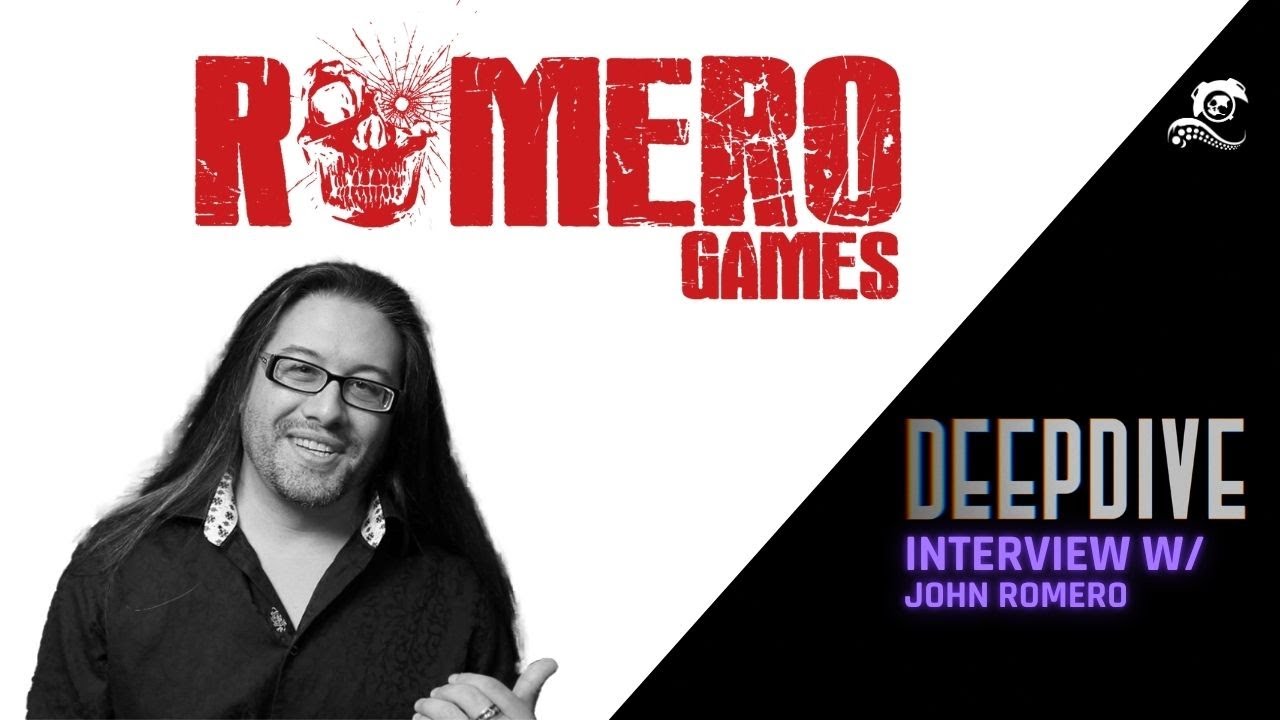
Romero's interview with Nightdive covered a wide range of topics, including the , and why . Though released afterward, the interview was recorded before Microsoft unceremoniously pulled funding for Romero Games' triple-A shooter project, though .